
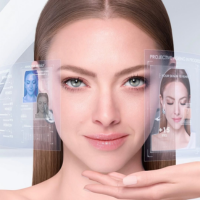
In recent years, artificial intelligence (AI) has moved from being a futuristic concept to becoming a practical tool that is transforming entire industries. One of the fields most profoundly impacted by this revolution is aesthetic medicine, where AI-driven personalization is reshaping how professionals understand, plan, and perform treatments.
Today, beauty is being redefined through data, algorithms, and scientific precision—offering unique experiences and results that reflect the individuality of every patient.
The Evolution of Aesthetic Medicine Toward Personalization
Traditionally, aesthetic treatments were designed using standardized protocols, based on general characteristics or the physician’s experience. However, AI-powered personalization has taken this to a whole new level.
With technologies such as automated facial analysis, machine learning, and computer vision, specialists can now create customized treatment plans tailored to each person’s facial structure, skin type, age, and lifestyle.
For example, an AI system can analyze thousands of facial images to detect asymmetries, volume loss, or signs of aging—and then suggest minimally invasive interventions that preserve the face’s natural harmony.
How AI Is Transforming the Patient Experience
Artificial intelligence not only benefits medical professionals—it also enhances the patient experience at every stage of the process:
-
Accurate diagnosis: Algorithms that interpret high-resolution images can detect skin or structural issues with a level of precision that’s hard to achieve with the naked eye.
-
Realistic simulations: AI-powered tools allow patients to visualize potential results before treatment, increasing both trust and transparency.
-
Smart follow-up: Digital platforms analyze post-treatment progress and adjust recommendations according to each patient’s unique response.
Together, these advances enable a safer, more efficient, and deeply personalized experience—where beauty is approached from both a scientific and human perspective.
The Role of the Physician in the Age of AI
While artificial intelligence offers remarkable advantages, it does not replace the professional. Instead, it enhances their analytical capacity and clinical decision-making.
The aesthetic doctor remains the interpreter of data, the guardian of ethics, and the arbiter of aesthetic sensitivity. AI becomes a valuable ally that broadens knowledge and precision—but empathy, judgment, and human experience remain irreplaceable.
Challenges and Ethical Considerations
Like any technological innovation, AI-based personalization also presents important challenges: protecting personal data, ensuring algorithmic transparency, and preventing biases that could influence recommendations.
Clinics and professionals must ensure that technology is used responsibly—guaranteeing confidentiality, safety, and fairness in every treatment.
Conclusion
AI-driven personalization marks a turning point in aesthetic medicine. This synergy between science, technology, and art is redefining beauty standards, offering natural, precise, and ethical results.
In this new paradigm, beauty is not imposed—it’s understood, analyzed, and personalized. The future of aesthetics proves that beauty can be as human as it is technological.
